
From Charity to Systems Change: 150 Years of Philanthropic Evolution
The history of philanthropy is often told as a history of generosity. Yet its more interesting story lies elsewhere: in the evolution of ideas about how societies change.
Over time, philanthropic actors have repeatedly redefined their role in response to shifting social realities. This evolution has not followed a single or strictly linear path: direct assistance, institution-building and more systemic approaches have often coexisted and reinforced one another. In the nineteenth century, philanthropy was primarily concerned with alleviating hardship. During the twentieth century, it increasingly focused on building institutions capable of addressing collective needs at scale. Today, many philanthropic organisations also seek to influence the wider systems in which social challenges arise, contributing to a more inclusive and resilient society.
Where Values Meet Action
The philanthropic journey of the Edmond de Rothschild family reflects this broader transformation, though not through a uniform progression.
Over 150 years and across generations, its commitments have spanned housing, healthcare, education, scientific research, culture and the arts. These different forms of engagement have frequently overlapped, combining responses to immediate needs with the creation of institutions, long-term partnerships and approaches designed to strengthen communities. While the methods have evolved, a consistent conviction has remained: lasting social cohesion depends on enabling individuals and communities to strengthen their capacity to act.

From Relief to Opportunity
The origins of the family’s philanthropic engagement were shaped by a tradition of communal responsibility and by the experience of integration into new societies. The earliest initiatives were inspired by the Jewish principle of tzedakah, which combines social justice, solidarity and practical support for those facing hardship.
Through organisations such as the Paris Israelite Welfare Committee (CBIP), as well as various hospices, healthcare facilities, and social institutions, support was often immediate and practical. The objective was straightforward: to respond to urgent needs and reduce human suffering.
Yet even at this early stage, philanthropy was not understood solely in material terms. Culture and education were viewed as essential instruments of social advancement.
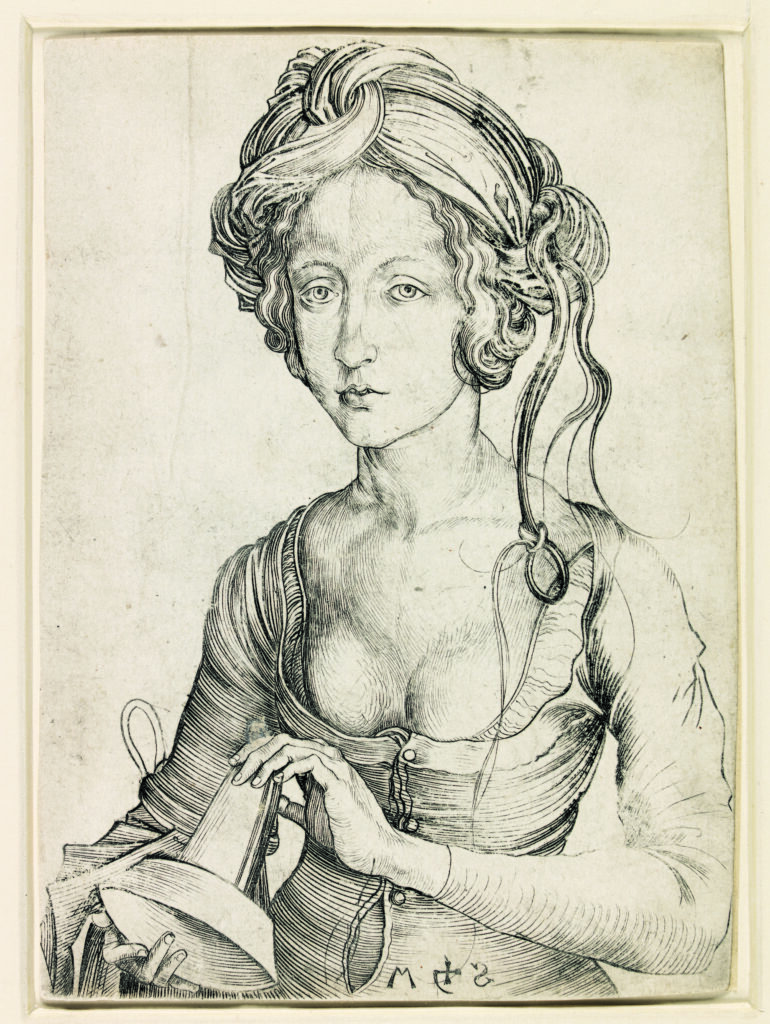
The family’s support for artists, cultural institutions, and public collections reflected a belief that access to knowledge and artistic achievement contributes to individual emancipation and collective cohesion. Major donations to the Louvre museum, including the Boscoreale Treasure and the Edmond de Rothschild Collection of more than 90,000 pieces of prints, drawings, and engravings, helped strengthen public access to cultural heritage.
Building Institutions for a Modern Society
By the late nineteenth and early twentieth centuries, industrialisation, urbanisation, hygienism, and demographic growth had exposed the limitations of purely charitable responses. Social challenges increasingly required institutional solutions.
The family’s philanthropy evolved accordingly. The focus shifted from addressing symptoms to creating structures capable of producing lasting change.
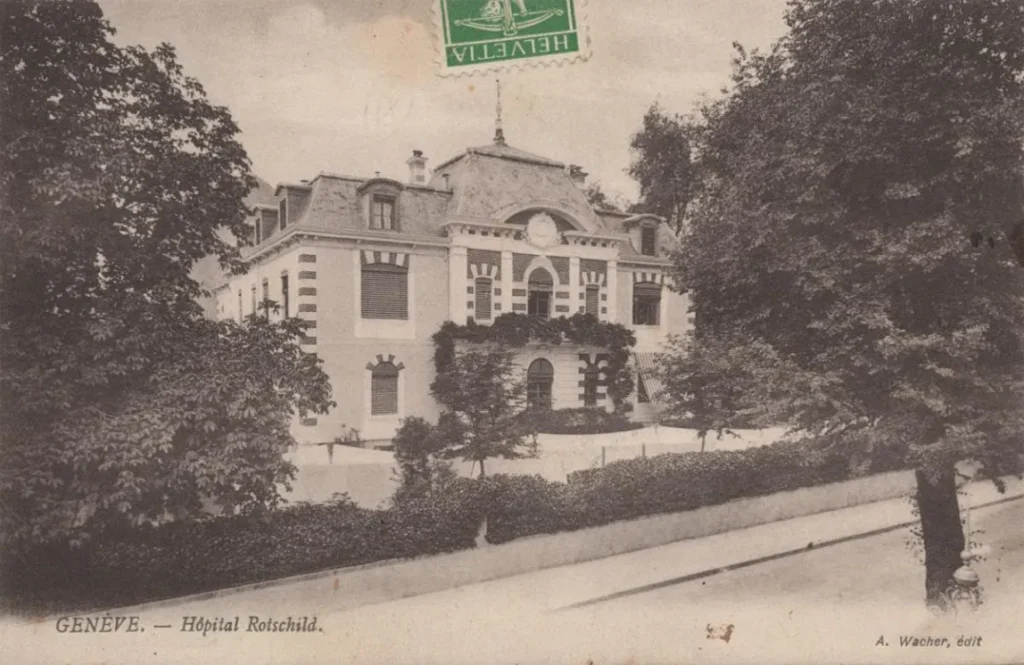
Initiatives such as the Adolphe de Rothschild Foundation Hospitals in Paris (HFAR) and Geneva contributed to the broader movement towards expanding access to high-quality medical care beyond traditional elites.
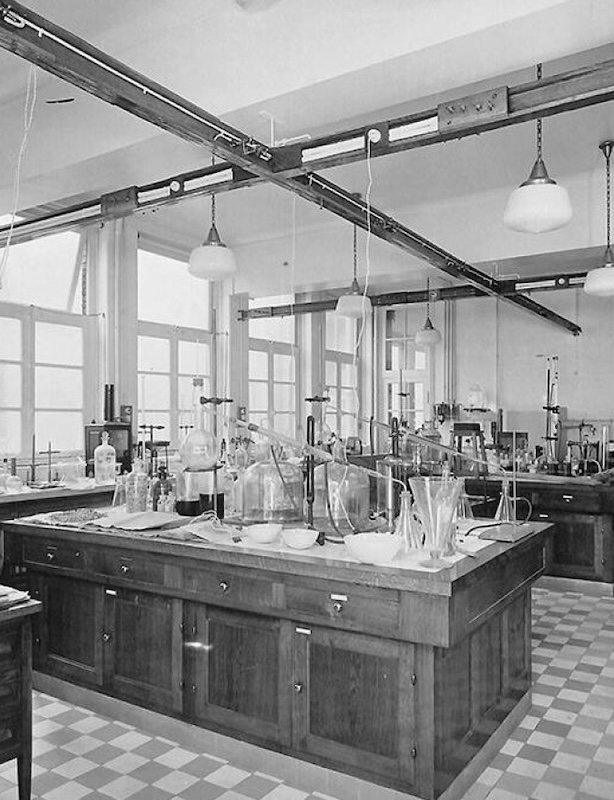
This approach was particularly evident in scientific research. The Institute of Biology Physical-Chemistry (IBPC), brought together disciplines that were largely separated within academic structures at the time. By encouraging collaboration between physicists, chemists, and biologists, it anticipated the interdisciplinary models that now characterise much of contemporary research.
The creation of the Henri Poincaré Institute the following year reflected a similar ambition. Supported alongside the Rockefeller Foundation as part of a genuine philanthropic alliance, the Institute became an internationally oriented centre of excellence in mathematics. The partnership illustrated a principle that remains highly relevant today: scientific progress depends on the circulation of knowledge across institutions and borders.
A similar logic informed investments in housing. The Compagnie de Logement Social and Le Toit Familial sought to improve living conditions by incorporating emerging standards in urban planning, public health, and well-being. The family also supported the Oeuvre de Protection de l’Enfance Juive (today, foundation OPEJ Baron Edmond de Rothschild), which has a mission to protect, support, and assist vulnerable children, adolescents, and young people, as well as their families, regardless of their background.
These projects reflected an increasingly sophisticated understanding of social progress. Rather than intervening only when difficulties arose, philanthropy could help create institutions designed to prevent social challenges from emerging.
Crossing Boundaries
One distinctive feature of the family’s philanthropic history has been its willingness to work across social and geographical boundaries.
This philosophy is illustrated through international educational projects, such as the Universal Israelite Alliance. Through an extensive network of schools across the Mediterranean basin and the Middle East, the organisation combined academic education, vocational training, and cultural openness. Education became not merely a form of assistance but a mechanism for social mobility and economic participation.
Another illustration of this concept is the Maison de l’Institut de France in London, conceived at a moment when nationalist tensions were rising across Europe. Its purpose extended beyond accommodation or academic exchange. It sought to foster dialogue, mutual understanding, and long-term relationships between future leaders from different countries.
Territorial Development
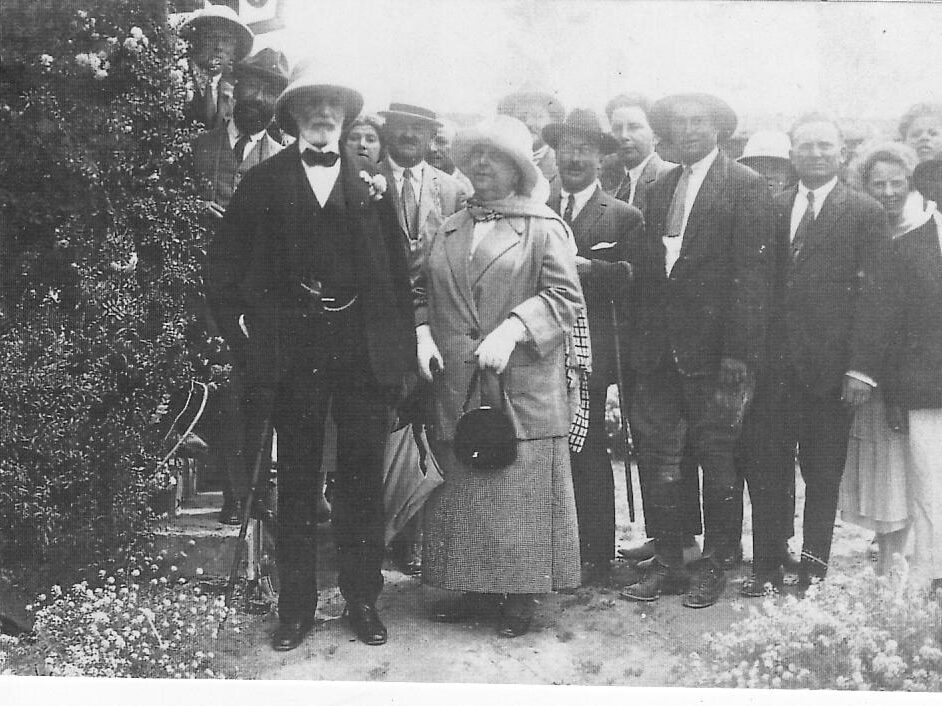
The family’s activities also demonstrate an early recognition that economic, social, and cultural development are deeply interconnected.
The transformation of regions such as Ottoman Palestine from the 1880s onwards offers one example. Agricultural settlements were accompanied by investments in education, healthcare, and local governance. The objective was not simply agricultural production but the creation of viable and resilient communities that would thrive in the desert landscape. Less than a century later, the Edmond de Rothschild family retained a small share of the land and developed businesses whose profits fund the Caesarea Foundation. The foundation embodies a unique philanthropic vision in which economic development directly supports social progress through excellence, innovation, and educational advancement, benefiting communities of all backgrounds across Israel.
A comparable systemic approach can be observed in Megève and continues to be pursued by the family today. Beginning in the early twentieth century, the family played a pivotal role in transforming a largely rural and undeveloped region into one of Europe’s major ski resorts. Rather than focusing solely on tourism, the project sought to create the conditions for sustainable territorial development, combining investment in infrastructure, economic opportunities, and community life with a commitment to preserving the region’s heritage and identity.
While these efforts faced significant political and economic challenges, they reflected an understanding that sustainable development depends on the interaction of multiple institutions rather than any single intervention.
Towards Systems Change

In recent decades, the philanthropic sector has shifted from institutions themselves to the broader systems within which institutions operate.
This evolution is reflected in the most recent phase of the Edmond de Rothschild foundations established in Switzerland, Spain, Israel, and the United States, as well as their prizes and educational programmes. This systemic approach does not represent a complete break with earlier forms of engagement, but rather the continuation and adaptation of practices already present throughout the family’s philanthropic history: building institutions, strengthening the capacity of partner organisations, connecting disciplines, fostering long-term partnerships, and bringing together economic, social, scientific, and cultural perspectives.
Over the past twenty years, these organisations have focused on supporting scientific and medical innovation, promoting entrepreneurship, showcasing contemporary creation, and expanding access to culture as a driver of well-being through the arts, and social cohesion and human development.
Viewed across a century and a half, the history of this philanthropic commitment mirrors a broader evolution in the sector itself. The language has changed, from charity to development, from institution-building to systems change. The central question, however, remains remarkably constant: how can philanthropy help create the conditions in which individuals and societies are able to flourish?
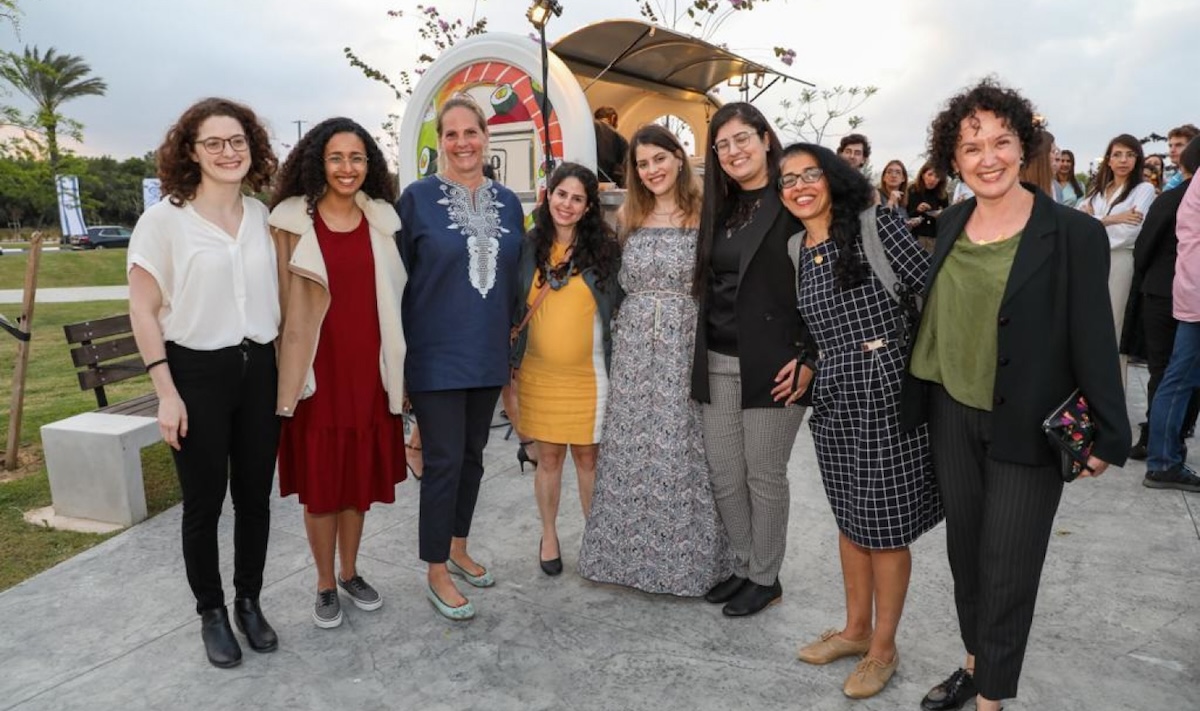
Ariane de Rothschild with the laureates of the Ariane de Rothschild Women’s Doctoral Program
The collective efforts of the Edmond de Rothschild Family Philanthropy are driven by the belief that action grounded in shared values can improve social conditions and create positive change for all. The stories shared here are an invitation for others to be inspired and take action
Please note that potential grantees are identified through research and fieldwork, while we greatly appreciate your interest, we do not have the capacity to process unsolicited funding applications.